
What if you could buy a home and never get another tax bill for owning it? In a handful of countries, that is exactly how it works. There is no yearly levy based on your property's assessed value — you buy it, and it is yours. That means predictable costs, better returns, and no annual charge for the privilege of ownership. Some of these places even hand you residency or a second passport if you buy in. But zero property tax is not zero cost. Stamp duties, transfer fees, and rental income taxes still apply. Here is where you can truly own, and what it actually costs.
Key Takeaways
- A short list of countries charge no annual property tax at all — you own your home outright.
- No property tax usually means a one-time real estate transfer tax instead. That is often the better deal.
- Several of these countries let real estate buy you residency or citizenship.
- Check freehold rules before you buy. Some countries do not let foreigners own land at all.
Why Do You Pay Rent to the Government on a House You Own?
Property tax is a levy charged on real estate based on what your property is worth. Local governments assess the value, apply a rate, and send you a bill every year. Forever.
Miss the due date and you face penalties. Stop paying entirely and you can lose the house. That is the uncomfortable part: if a yearly payment is the condition of keeping your home, ownership starts to look a lot like a long-term lease.
This is not new. Property taxes date back to ancient Egypt, Babylon, and Persia, where tax collectors took a cut of each harvest from the biggest landowners. Egyptian scribes kept records of who owned what for the sole purpose of taxing it. The modern version arrived in the 18th and 19th centuries, and in the US it became the main way to fund public schools.
The numbers today are not small. Nomad Capitalist reports annual charges reaching roughly US$28,000 in Washington DC and US$21,000 in New York.
How Property Tax Differs From Other Taxes
| Tax | What triggers it | How often |
|---|---|---|
| Property tax | Owning real estate | Every year |
| Capital gains tax | Selling at a profit | Once, at sale |
| Stamp duty / transfer tax | Buying or transferring | Once, at purchase |
| Income tax | What you earn | Every year |
| Rental income tax | Renting the property out | Every year you rent |
Property tax is really a wealth tax. It targets what you own, not what you earn. It is also usually a local tax, while income and capital gains are collected nationally.
Zero Property Tax Changes the Math on Every Deal
Strip out the annual bill and the whole investment case shifts. Here is what you gain:
- Predictable holding costs. No reassessment, no surprise hike.
- Higher net yield. Money that would go to the tax office stays in your pocket or goes into the property.
- Better appreciation. Lower carrying costs support higher values.
- Simpler admin. No annual property tax declaration to file.
For US persons, there is another angle. Nomad Capitalist notes that foreign real estate held in your own name is a non-reportable asset.
But read the fine print. No property tax does not mean no property cost. Watch for:
- Transfer taxes and stamp duties at purchase
- Rental income tax if you let the place out
- Restrictions on foreign ownership
- Rule of law, political stability, and climate exposure
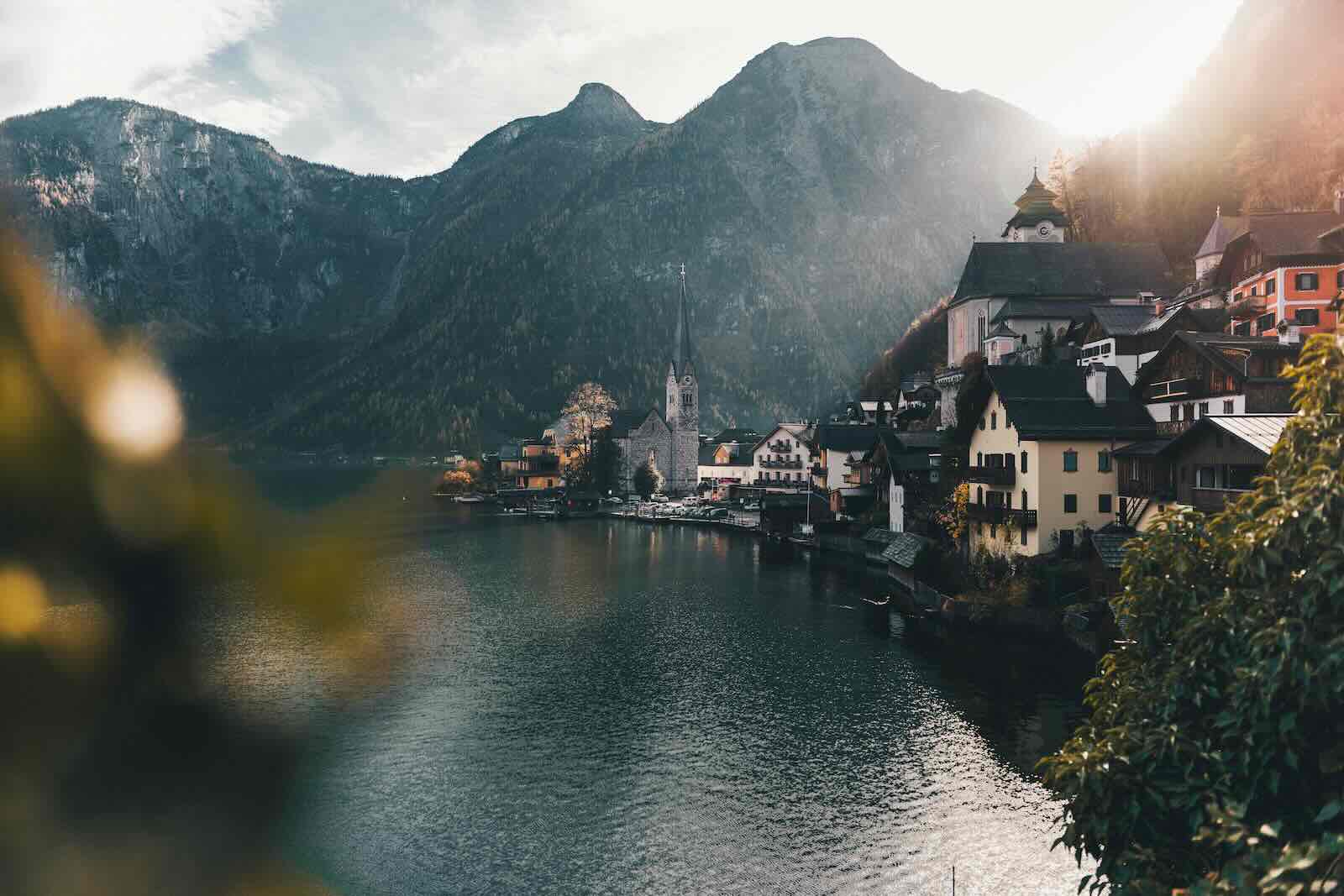
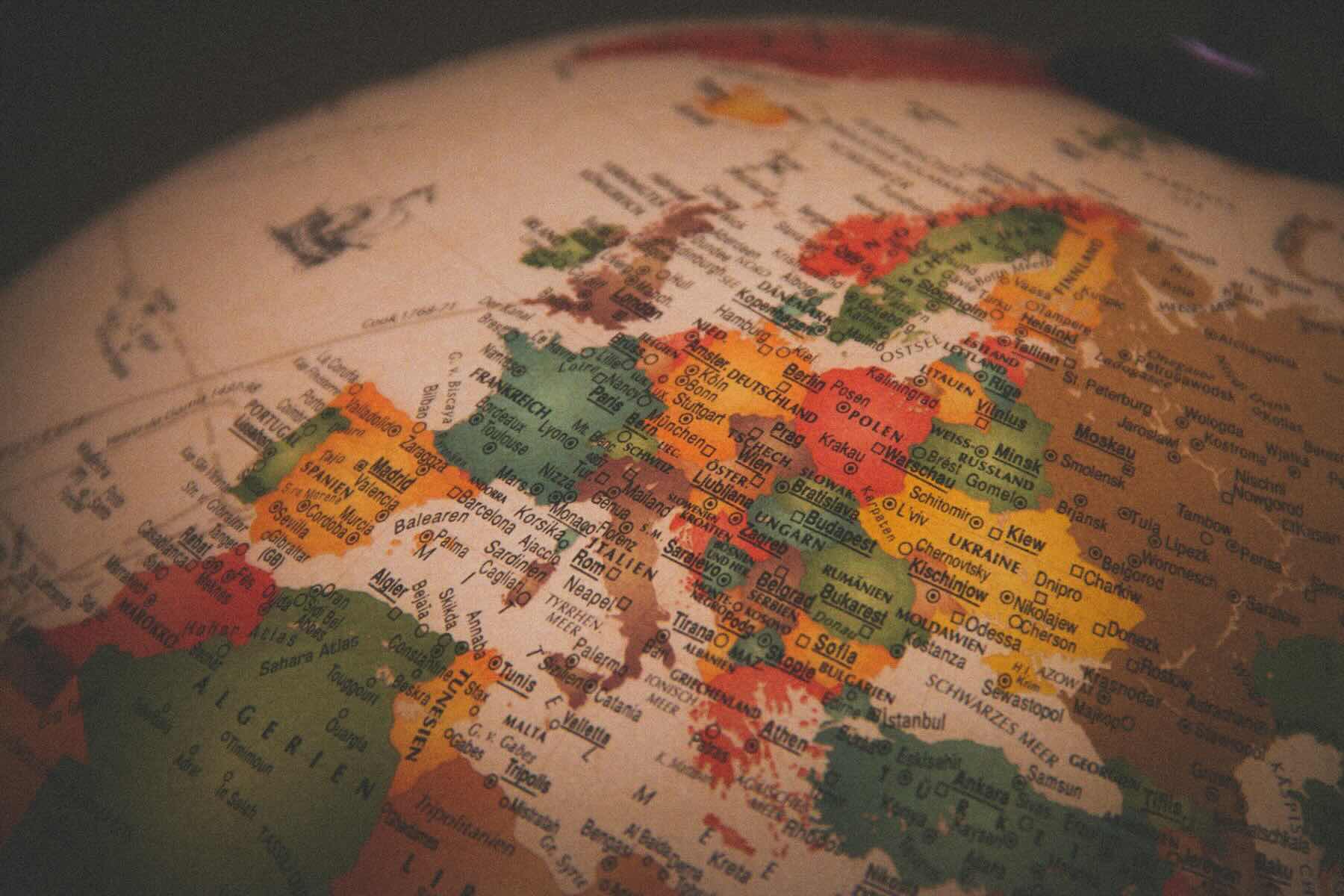
Europe Taxes Everything — Except in These Four Places
Europe is not known for going easy on taxpayers. But a few jurisdictions skip the annual property levy entirely.
1. Monaco
Monaco charges no property tax on residents or non-residents. No personal income tax either. That combination is why the principality remains a magnet for high-net-worth individuals.
- Rent it out and there is a 1% tax on annual rent — and Nomad Capitalist reports that the tenant pays it, not you
- One-time transfer duty of 4.5%–7.5% on purchase
- Capital gains tax applies on sale
- No tax on dividends from local companies
2. Malta
Malta charges no annual property tax. Instead it takes a stamp fee in lieu of property tax at purchase — typically 5% of value for properties held under five years, or 8% for longer holdings.
What else Malta gives you:
- EU membership and access to European markets
- A route to EU residency as part of an internationalisation plan
- Modern infrastructure and a large expat community
- No tax on rental income
Local council charges and service fees may still apply depending on where you buy.
3. Liechtenstein
No property tax for residents or non-residents. No real estate tax for corporations either.
Two catches worth knowing:
- Notional income on the net value of your property is subject to income tax
- Capital gains tax on sale can reach 24% for individuals and companies
4. Georgia
Most people in Georgia pay no property tax at all. Nomad Capitalist's founder owns several properties there and pays nothing on any of them.
The rule is income-based, not property-based:
- No Georgian-sourced income → no property tax
- Over 40,000 GEL (about US$15,000) in Georgian-sourced income → 0.05%–1% annual property tax, scaled to your income
- No transfer tax and no stamp duty at all
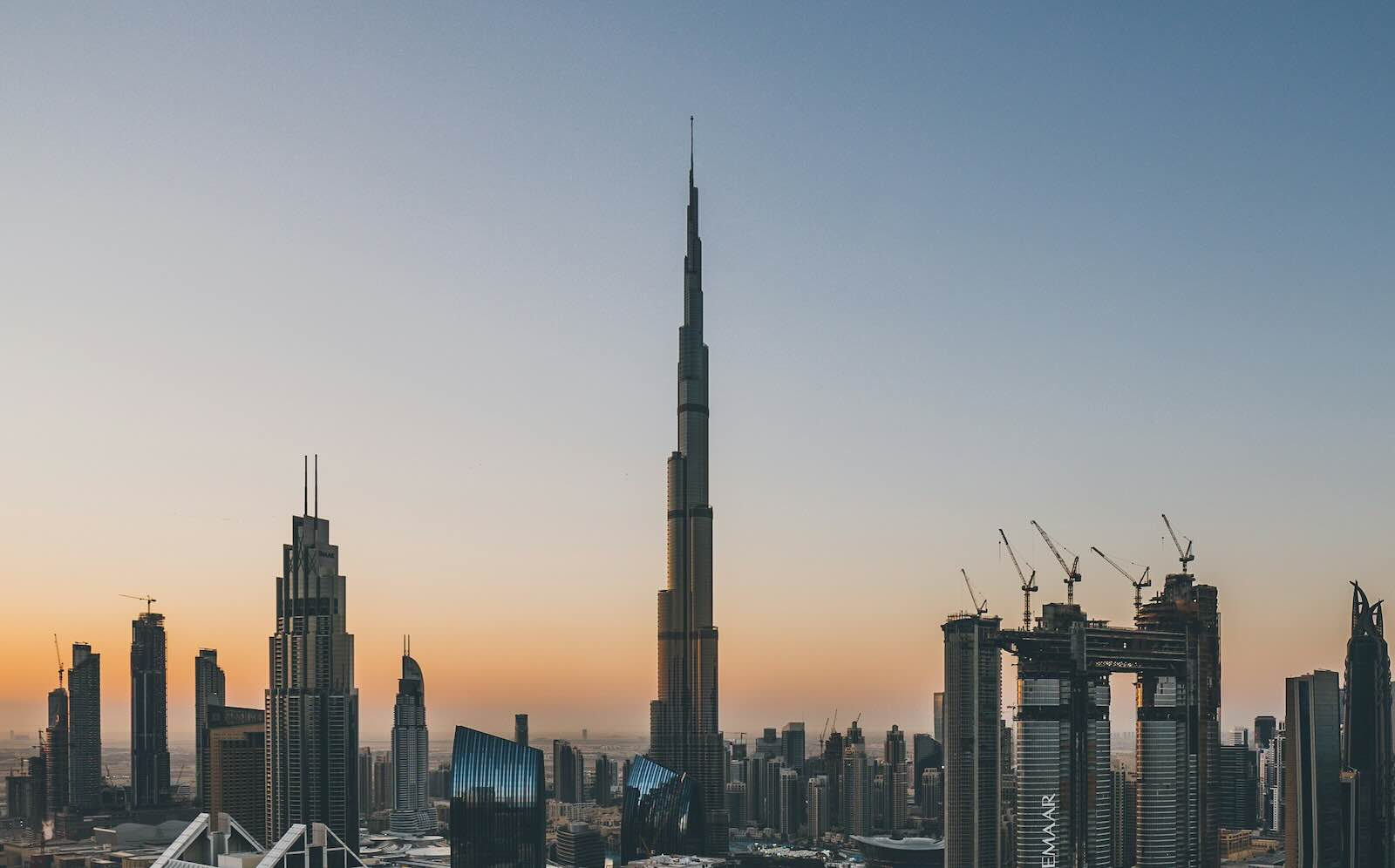
The Gulf Charges Almost Nothing — If You Are Allowed to Buy
The Gulf states are the deepest pocket of property tax freedom on the map. The UAE, Bahrain, Kuwait, Oman, Qatar, and Saudi Arabia all skip the annual levy. The real question in this region is not tax. It is whether a foreigner can own at all.
5. United Arab Emirates
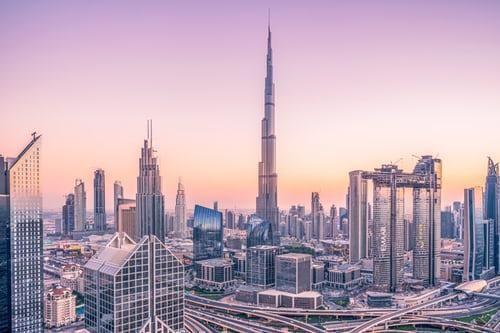
No federal property tax. But fees vary sharply by emirate, and Dubai is not as cheap as its reputation suggests.
- Dubai: one-time 4% property transfer fee on purchase
- Dubai: 5% "housing fee" on annual rental value
- Dubai: 5% fee on rental income, plus 9% corporate tax on many companies
- Dubai commercial property: 2.5% municipal tax on annual rental value
- Abu Dhabi, Sharjah, Ajman, Ras Al Khaimah, Umm Al Quwain, Fujairah: no annual property tax
Other municipalities may set their own fees. Maintenance, utilities, and insurance are on top.
6. Bahrain
No annual property tax for residents or non-residents. A 2% property transfer tax applies on transactions — Nomad Capitalist puts the range at 1.7%–2%.
It fits Bahrain's broader economic strategy of pulling in foreign capital and diversifying away from oil.
7. The Other Gulf States
Kuwait, Oman, Qatar, and Saudi Arabia are all property tax-free. Ownership rules are the constraint:
- Kuwait: no foreign ownership except for nationals of other Gulf Cooperation Council (GCC) countries
- Saudi Arabia: non-Muslims cannot own in Mecca or Medina
- Oman: 3% property transfer fee
Check freehold eligibility and designated zones before you commit anywhere in the region.

Pacific Paradise Has No Property Tax — and Some Serious Strings
8. Fiji
Fiji assesses no property tax on freehold land. The catch is supply: less than 10% of all land in Fiji is freehold, much of it set aside by the British to attract farmers.
What makes Fiji work anyway:
- Owning land is a relatively straightforward route to permanent residence
- A territorial tax system — residents pay no tax on income earned outside Fiji, including through an offshore company
- Competitive prices relative to the rest of the Pacific, plus real tourist demand
What Our Clients SayTrusted by Thousands of Clients Since 1996."Offshore Protection helped me structure my assets in a way I never thought possible. Professional, discreet, and thorough — I wouldn't trust anyone else with my offshore strategy."— Private Investor, United States★★★★★
4.8 stars · 230 verified reviews
9. Cook Islands
No property tax. No wealth tax. No capital gains tax. The Cook Islands is best known for its asset-protection trusts, and the property policy fits the same pattern.
The ownership problem is real. Foreigners cannot easily hold land in freehold form. The government requires non-Cook Islanders to hold property leases instead, lasting up to 60 years. Non-residents also typically need approval from the Cook Islands Investment Corporation.
Nomad Capitalist's view is blunt: for now, it may present too many challenges for foreign investors despite the Pacific paradise draw.
10. Vanuatu
No property tax for residents or non-residents. Vanuatu goes further than most:
- 20-year tax exemption on annual company profits
- No tax on rental income
- 12.5% VAT on most goods and services
- Property transfer tax of 2%–12% on purchase, sale, or lease
- A citizenship by investment programme
Note: the target page's older figure of a VT 200,000 rental income exemption could not be confirmed in current sources. [VERIFY]
The Caribbean Sells Zero Property Tax With a Passport Attached
Several Caribbean nations forgo property tax entirely — and several of them will trade you citizenship for the purchase.
11. Cayman Islands
The Caymans is the cleanest example on this list. No property tax, and no:
- Personal income tax
- Corporate income tax
- Capital gains tax
- Payroll tax
- VAT
- Withholding tax on dividends, interest, royalties, or technical service fees
The one-time cost is stamp duty of 7.5%. Prices are rising, especially along Seven Mile Beach, driven by luxury developments and demand. The islands are among the most developed in the Caribbean with strong business infrastructure — but the cost of living is high.
12. Dominica
The "Nature Island" charges no national property tax and no taxes on non-residents. It also runs one of the most cost-effective citizenship-by-investment programmes available.
Two exceptions:
- Municipal tax applies in Roseau and Canefield — around 1.27% of current market value
- Stamp duty of 2.5% (seller) and 2% (buyer)
No inheritance tax, no capital gains tax, no wealth tax. English-speaking, independent from the UK since 1978.
13. Turks and Caicos
No property tax. Instead, Turks and Caicos charges an annual stamp duty on a progressive scale, with rates running 0%–10%.
This British Overseas Territory has a booming luxury market and no restrictions worth noting for lifestyle buyers. Nomad Capitalist lists it among 25 tax-free countries offering a second residence.
14. Grenada — Low, Not Zero
Grenada does not belong on a zero-tax list, but it earns a mention. It charges an ad valorem rate based on assessed market value and land use classification.
- 5% discount if you pay 50% of the amount due before 31 March
- 10% transfer tax on sales, plus stamp duty
- No restrictions on foreign buyers
- A citizenship by investment programme
The Catch Nobody Mentions: Stamp Duty
Most "no property tax" countries are not giving anything away. They are front-loading it. You pay a percentage of the purchase price once, at transfer, instead of a bill every year.
That is usually the better trade. Nomad Capitalist's founder paid about 3% stamp duty on an apartment in Malaysia and roughly US$400 a year in property tax after that — a deal he considered well worth it. Compare that to Barcelona, where the team found cheap-looking properties came with 8%–10% in stamp taxes on top of annual property tax.
| Jurisdiction | Annual property tax | One-time duty on purchase |
|---|---|---|
| Georgia | 0% (income-dependent) | None |
| Bahrain | 0% | 1.7%–2% |
| Dominica | 0% (outside Roseau & Canefield) | 2% buyer / 2.5% seller |
| Oman | 0% | 3% transfer fee |
| UAE (Dubai) | 0% | 4% transfer fee |
| Monaco | 0% | 4.5%–7.5% |
| Malta | 0% | 5% (held <5 yrs) / 8% (longer) |
| Cayman Islands | 0% | 7.5% |
| Turks and Caicos | 0% (progressive annual stamp duty) | 0%–10% |
| Vanuatu | 0% | 2%–12% |
| Liechtenstein | 0% (notional income taxed) | [VERIFY] |
| Fiji | 0% on freehold | [VERIFY] |
| Cook Islands | 0% | Stamp duty applies [VERIFY] |
There are very few countries that truly have no property tax. Most have simply swapped an annual bill for an upfront one. Given the choice, an upfront fee with capped costs going forward usually wins.
How Is Property Tax Changing in 2026?
The stat. Croatia — still listed as a no-property-tax country on several competing guides — introduced a mandatory annual property tax effective 1 January 2025. According to CMS's Croatian tax law update, the previously optional Tax on Holiday Homes was replaced by a compulsory Property Tax that every city and municipality must now levy, including those that never taxed holiday homes before. Rates run roughly €0.60 to €8 per square metre, set locally, with exemptions for permanent residences and long-term rentals. Croatia had scrapped its property tax in 2017 after a public campaign. It lasted eight years.
What 25 years of formation work tells us. This is the pattern we have watched repeat since 1996. A country drops property tax to attract capital, the capital arrives, prices rise, locals get priced out, and the tax comes back — usually aimed at exactly the foreign buyers the policy was designed to attract. Croatia's exemptions for permanent residents and long-term rentals are the tell. The tax was not really reinstated on property. It was reinstated on non-residents. Clients who structured around a zero rate alone got repriced overnight. Clients who structured around residency, use, and holding entity absorbed it. The lesson is durable: never underwrite a purchase on a tax rate. Underwrite it on your standing in the jurisdiction.
A hedged prediction. If housing affordability stays politically hot — and there is nothing in current trends to suggest it cools — expect more of these countries to introduce vacancy-linked or non-resident-linked levies rather than broad property taxes. Not the flat annual bill Americans know. Something narrower: a charge on empty homes, short-term rentals, or foreign owners, framed as housing policy rather than tax policy. Malta, the Caymans, and the Gulf states have the fiscal room to hold out. The small European jurisdictions with visible foreign-ownership pressure are the ones we would watch. This is a read on the direction of travel, not a forecast of any specific country's next budget.
Why Work With Offshore Protection25 Years of Offshore Expertise. One Trusted Partner.Since 1996, we have helped thousands of entrepreneurs, investors, and high net worth individuals using the world's strongest offshore structures including trusts, foundations, international companies, and banking solutions tailored to your specific situation.✔ Boutique service ✔ Deep jurisdiction expertise ✔ Strict confidentiality
Zero Property Tax Is Only One Line on the Bill
A country can skip property tax and still take a large bite somewhere else. Check these four before you sign.
Estate and Inheritance Tax
This is where the gap gets wide. Japan takes up to 55% on large inheritances. The UK charges up to 40% on estates over £325,000. Spain runs 7.65% to 34%. Australia and Canada charge nothing.
The good news: the Cayman Islands, Dominica, and the Cook Islands all have no inheritance or estate tax on top of no property tax.
Capital Gains Tax
Property tax hits you for owning. Capital gains hits you for selling. Liechtenstein charges up to 24%. Monaco applies it on sale. Cayman, Cook Islands, and Dominica charge nothing.
Rental Income Tax
Renting the place out often reopens the door. Dubai charges a 5% fee on rental income and a 5% housing fee on annual rental value. Monaco charges 1% of annual rent — payable by the tenant. Malta, Vanuatu, and the UAE do not tax rental income in the conventional sense.
Corporate and Income Tax
If you hold through a company, this matters. Dubai now applies 9% corporate tax to many companies. Liechtenstein has no real estate tax for corporations. For self-employed buyers and landlords, understanding tax deductions for contractors — from allowable repairs to professional services — further changes the real cost of owning property abroad.
Buy the House, Get the Passport
Here is where zero property tax stops being a saving and starts being a strategy. Several of these countries will give you residency or citizenship for the same purchase.
Citizenship by investment. Grenada, Vanuatu, Dominica, and St. Kitts and Nevis all offer a route. What you get:
- Visa-free travel to numerous countries
- Tax advantages
- A second passport for you and your family
Minimum property values range from $200,000 to over $1 million, and some countries require you to hold the property for 3–5 years before selling. Caribbean thresholds are generally lower than European ones.
Golden Visa and residency routes. Portugal, Greece, and Spain offer residency through real estate, typically €250,000 to €500,000. Benefits include Schengen travel, a path to permanent residency, family inclusion, and access to education and healthcare.
The trade-off is obvious once you see it. The countries with the best passports mostly charge property tax. The countries with no property tax mostly have weaker passports. Malta and the Caymans are the rare exceptions — and they price accordingly.
Frequently Asked Questions
- Are there US states with no property tax?
No. Not one. Every US state charges property tax somewhere, because it is how local governments fund schools, police, fire, and roads.
The best you can do is pick a low one. New Jersey is the highest, averaging 2.23% of a property's value according to the Tax Foundation. Hawaii is the lowest at an effective rate of 0.31%. Texas and Florida have no state income tax but charge more on property to make up for it.
Looking for a state with no property tax is the wrong search. Looking for a country with no property tax is the right one.
- Are there any African countries with no property tax?
Neither of the leading guides on this topic covers African jurisdictions, and we will not list countries we cannot verify. If an African jurisdiction is central to your plan, book a consultation and we will check the current position for you. [VERIFY]
- Are there US territories with no property tax?
We could not verify this from the sources reviewed. Property tax rules differ sharply between US states and territories, so treat any blanket claim with caution. [VERIFY]
- Which countries do not tax rental income?
Malta, Vanuatu, and the UAE are the usual answers. Be careful with the UAE, though — Dubai charges a 5% housing fee on annual rental value and a 5% fee on rental income, which functions much like a rental tax even if it is not called one.
Monaco charges 1% of annual rent, but the tenant pays it.
- Do all tax havens skip property tax?
No. Many countries labelled tax havens still charge small property taxes here and there. If a country is not on the list above, assume it charges something.
- What is a property tax declaration?
It is a formal document stating your property's value and the tax due on it. In a zero-property-tax country, you never file one. That is a real administrative saving, not just a financial one.
- Which are the best-value tax havens for property owners?
Nomad Capitalist names Monaco, Liechtenstein, Fiji, and Dominica as the most eye-catching options for legally avoiding property tax.
Our own read is different. Value depends on what you want. For clean zero tax and a real legal system, Cayman. For EU access, Malta. For lowest total cost, Georgia. For a passport with the purchase, Dominica.
- Can foreigners actually own land in these countries?
Not everywhere. This is the question most guides skip.
- Cook Islands: no freehold for foreigners. Leases up to 60 years only.
- Fiji: freehold exists but is under 10% of all land.
- Kuwait: no foreign ownership except GCC nationals.
- Saudi Arabia: non-Muslims cannot own in Mecca or Medina.
- Grenada, Monaco, Malta, Cayman, UAE: open to foreign buyers, with conditions.
Own It Outright
A short list of countries let you buy a home and never pay for the privilege of keeping it. That means predictable costs, stronger yields, no annual declaration — and in several cases, a residency permit or a second passport in the same transaction. Just budget for the stamp duty, check whether foreigners can own, and structure it properly. Croatia proves rates change; standing protects you. Book a consultation and we will build the structure around your situation.
How Offshore Protection Can Help
____
Offshore Protection is a boutique consultancy specializing in offshore solutions creating bespoke global strategies using offshore companies, trusts, and second citizenships so you can internatioanlize and diversify your business and assets.
We help you every step of the way, from start to finish with a global team of dedicated consultants. Contact us to see how we can help you.