

Starting a business abroad can seem like a big step, but many countries are making it easier for non-residents. Here are some important points to keep in mind when choosing your next business location.
Key Takeaways
- The United States offers a massive market and a stable environment, though the setup can have some steps.
- Hong Kong and Singapore are great gateways to the Asian market with business-friendly rules.
- Denmark and Switzerland are known for their strong economies and good quality of life, attracting global businesses.
- The UK and Ireland provide accessible options with relatively straightforward registration processes.
- Estonia stands out for its super-fast, fully online business registration through its e-Residency program.
1. United States Of America
The United States has long been a top choice for entrepreneurs worldwide, and for good reason. It's a place with a massive market and a reputation that opens doors globally. Starting a business here as a non-resident offers access to a skilled workforce and a generally stable political climate, which is pretty important when you're putting your money on the line.
Several states, like Delaware, Wyoming, and Florida, have put in place tax structures that are quite favorable for businesses. This can make a real difference to your bottom line. Plus, the US has trade agreements with 20 different countries, making it easier to sell your products or services internationally. It's a big deal for expanding your reach.
Here’s a quick look at some key stats:
- GDP: $23.0 trillion
- Population: 332 million
- Per-Capita GDP: $69,288
While a good chunk of companies registered in the US are foreign-owned, the setup process for non-residents can have a few extra steps. You'll need to figure out the best company structure for you, which state makes the most sense, and get all your paperwork in order. It might seem a bit much, but getting help can smooth things out considerably. Many services are available to assist you with US company formation from anywhere in the world, offering things like a registered agent and a US business bank account.
The sheer size of the American market and its established industries, especially in tech and e-commerce, present a huge opportunity. It's a place where businesses can grow and gain credibility on a global scale.
Setting up can take about 5-15 working days, and online registration is definitely an option, which is a big plus for anyone not physically present. It’s a solid choice if you’re looking for a place with a strong economy and a pathway to international markets. For those looking to isolate liabilities between subsidiaries, an offshore holding company structure might also be something to consider within the broader context of international business.
2. Hong Kong
Hong Kong is a real powerhouse when it comes to international business opportunities. It's a place that's been on the radar for a long time, and for good reason. The city operates on principles of free enterprise and free markets, which really makes it stand out. Plus, they've been making things easier for folks from other countries to set up shop there.
One of the biggest draws is the tax system. It's known for being simple and competitive. Foreign-sourced income is taxed at 0%, which is pretty amazing if you're thinking globally. There are no capital gains, dividend, or inheritance taxes either. It's a place that really welcomes international founders, and you don't even need to live there or have a local partner to get started. You can own 100% of your business, which is a big deal for many entrepreneurs looking to expand their reach. It's a solid choice for anyone eyeing the Asian market or just wanting a business-friendly environment with strong legal backing. You can find more details on company formation requirements on the Hong Kong government website.
Here's a quick look at some key stats:
- GDP: $368.14 billion
- Population: 7.6 million
- Per Capita GDP: $49,660.6
It's a place that offers a lot of potential for growth and a smooth setup process, especially when you consider the tax advantages and the ease of ownership for non-residents. It really simplifies the process of starting a business abroad, making it a top contender for many.
3. Denmark

Denmark is a solid choice if you're looking to set up shop as a non-resident. It's known for being pretty straightforward when it comes to getting a business off the ground, and the political scene is stable, which is always a plus. They've really put effort into making things digital and easy to access, so much so that they ranked high on a global index for business simplicity a couple of years back.
One of the cool things is that Nordic and EU/EEA folks can set up shop pretty easily. The country also puts a big emphasis on sustainability and a good quality of life, which attracts a lot of international entrepreneurs who are into that vibe.
Here’s a quick look at some key aspects:
- Digitalization: A dedicated website offers most of what entrepreneurs need in one spot.
- User-Friendly Tax Authority: The Danish tax authority has improved its online presence, making it simpler to deal with.
- Quality of Life: High living standards and a focus on sustainability.
Denmark's commitment to a digital-first approach and a stable business environment makes it an attractive option for foreigners looking to start a company. The ease of doing business, combined with a focus on sustainability, creates a positive outlook for new ventures.
While the process is generally smooth, it's always a good idea to check the latest requirements for company registration in Denmark to make sure you have everything in order.
4. Singapore
Singapore is a real standout when you're looking at countries favorable for entrepreneurs, especially if you're not a local. It’s consistently ranked as one of the top global startup hubs for expats, and for good reason. The city-state has built a reputation for being incredibly business-friendly, with a stable economy and a government that actively supports new ventures.
One of the biggest draws is its tax system. Singapore is known for its competitive corporate tax rates, which are quite low compared to many other developed nations. This makes it an attractive place to set up shop and keep more of your profits.
Here’s a quick look at some key aspects:
- Ease of Setup: While you can register a company online, foreigners usually need to work with a local filing agent to get things done. This might add a small step, but the overall process is still pretty streamlined.
- Business Environment: Singapore boasts a highly skilled workforce and a strong legal framework that protects businesses and intellectual property.
- Strategic Location: Being in Asia, it's a fantastic gateway for businesses looking to tap into the wider Asian market.
The infrastructure in Singapore is top-notch, from reliable internet to efficient transportation, which really helps in running a business smoothly.
It’s not just about the numbers, though. Singapore offers a high quality of life, which is a big plus for anyone considering relocating. The government also provides various grants and funding opportunities, making it easier for startups to get off the ground. If you're thinking about starting a business in Asia, Singapore should definitely be on your radar.
5. Switzerland
Switzerland is a pretty solid choice if you're thinking about starting a business as a non-resident. It's known for having a really strong economy and a business setup that's quite attractive, especially when you compare it to other European countries. The corporate tax rates here are generally favorable, which is a big plus for anyone looking to set up shop from abroad.
The country's stability and high quality of life also contribute to its appeal. It’s not just about the numbers; it’s about the environment you’re operating in. Many international entrepreneurs find Switzerland to be a reliable place to grow their ventures. Plus, the infrastructure is top-notch, which really helps with day-to-day operations.
Setting up a company here does have its requirements, of course. For instance, some business structures might need a director who is a resident of Switzerland. You'll need to gather documents like your passport, proof of address, and detailed company information, including articles of incorporation. It’s a good idea to get familiar with the process early on, and there are resources available to help non-residents establish a company in Switzerland.
Here are a few things to keep in mind:
- Favorable Tax Environment: Switzerland offers competitive corporate tax rates compared to many other European nations.
- Economic Stability: The country boasts a highly developed and stable economy, providing a secure base for businesses.
- Quality of Life: High living standards can be a significant draw for you and any potential employees.
- Innovation Hub: Switzerland is a leader in innovation, particularly in sectors like finance and technology.
While Switzerland is a fantastic place for business, remember that U.S. citizens can legally start and own businesses there without needing to be residents. However, actually running the business from within Switzerland involves different rules and considerations you'll want to look into.
Overall, Switzerland presents a compelling case for non-residents looking for a stable and profitable place to start their business. It’s a country that balances economic strength with a high standard of living, making it a smart move for many entrepreneurs. You can find more information on how to get started, even as a foreigner, by looking into starting and owning businesses in Switzerland.

6. United Kingdom
The UK has long been a popular spot for entrepreneurs, and it's pretty straightforward for non-residents to get a business up and running here. You don't actually need to live in the UK to set up a company, which is a big plus. The process is largely digital, making it accessible from anywhere.
Getting started involves a few key steps. First, you'll need to pick a company name – make sure it's not already taken and follows the rules. Then, you decide on the structure of your business. Most people go for a private limited company. You'll also need a registered address in the UK; this is a physical address where official mail can be sent. It doesn't have to be where you actually work, but it's a requirement for registration.
Here’s a quick look at some of the practicalities:
- Company Name: Choose a unique name that complies with regulations.
- Business Structure: Typically, a private limited company (Ltd.) is chosen.
- Registered Address: A UK-based address is mandatory for official correspondence.
- Director Identification: You'll need to provide identification for directors.
The UK government has made a real effort to streamline the company registration process, especially for those outside the country. It's designed to be efficient, with most of the paperwork handled online. This focus on digital services means you can often get your company registered quite quickly, sometimes within 24 hours, which is pretty impressive when you compare it to other places.
When it comes to costs, registering a company in the UK is relatively affordable. You're looking at around £100 (about €116) for the registration fee. This makes it a competitive option when you're weighing up where to establish your business. It's a good idea to look into the specifics of registering a UK company to make sure you've got all your bases covered. Remember, while residency isn't required, having that registered address is a key part of the setup, and understanding the tax implications is also important, as foreigners can register a business in the UK even without being residents.
7. Ireland
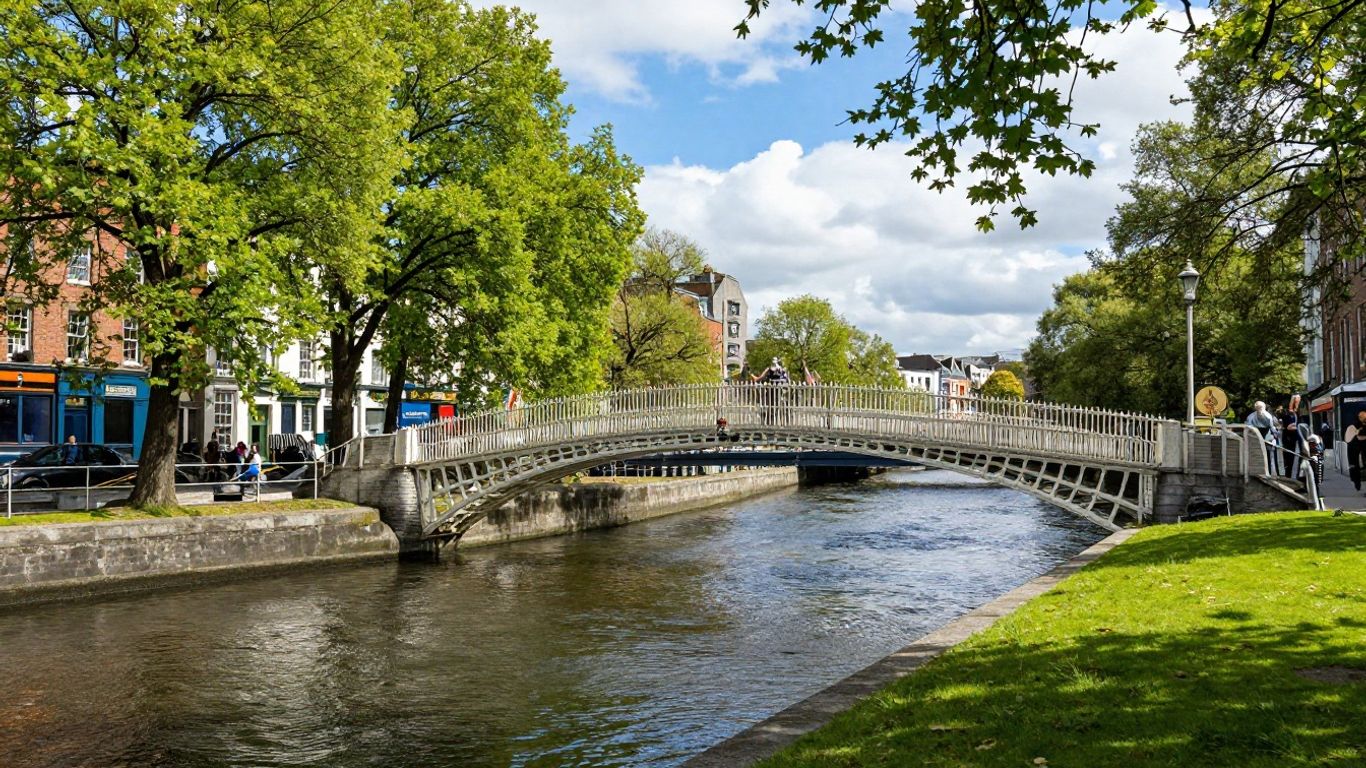
Ireland has become a pretty popular spot for businesses, especially for folks outside the EU looking to set up shop. One of the big draws is definitely the corporate tax rate, which is quite low at 12.5%. It's not exactly a tax haven, but it's certainly attractive for many international companies, particularly in tech and pharma.
Getting a company registered here is also fairly straightforward. You can do most of the paperwork online, which is a huge plus if you're not physically in the country. The process usually takes about three to seven working days.
Here's a quick look at some of the registration details:
- Company Name Reservation: Costs around €20 online.
- Company Registration Fee: Approximately €50.
- Online Filing: Available through the CORE system.
There's a requirement that at least one director needs to be based in the European Economic Area (EEA), but there are ways around this if needed. It's a good idea to look into the specifics of establishing an Irish company to make sure you've got all your bases covered.
While Ireland has adapted its tax laws to align with global changes, it still maintains a business-friendly environment. The country's infrastructure and skilled workforce are also significant advantages for new businesses.
Overall, Ireland offers a solid combination of a favorable tax system and a relatively simple setup process for non-residents, making it a strong contender for starting your business. The country has been working to align its tax policies with international standards, which adds a layer of stability for businesses operating there, as mentioned in discussions about Ireland's tax incentives.
8. Portugal
Portugal is becoming a pretty attractive spot for entrepreneurs, especially if you're not a resident. It's got this nice blend of a good lifestyle and a business-friendly environment. Setting up a company here is surprisingly straightforward for foreigners.
If you're looking to start a private limited liability company, known as a 'Sociedade por Quotas' or LDA, you'll need at least two partners. For non-EU citizens, getting a visa and a residency permit is a must before you can really get going. The good news is that the online registration process is quite efficient. You can get your company registered in just about one to two days, which is pretty speedy.
Here's a quick look at some of the costs involved:
|
Item |
Cost |
|---|---|
|
Company Name Registration |
€75 |
|
Company Incorporation |
€360 |
While you can register online, you'll likely need the help of an authorised agent to handle the paperwork, especially if you're not physically in Portugal. This makes the whole process smoother. It's a good idea to look into business setup services in Portugal to make sure everything is done correctly.
Portugal offers a relatively quick and accessible route for non-residents to establish a business. The digital infrastructure supports online registration, and while some administrative steps are required, the overall process is designed to be efficient. The country's growing economy and appealing lifestyle add to its charm for international entrepreneurs.
It's worth noting that while Portugal is welcoming, understanding the specific requirements for your situation is key. For instance, if you're considering other European options, comparing them might be helpful, though Portugal stands out for its ease of access for many.
9. Estonia
Estonia is a really interesting option for anyone looking at starting a company abroad for foreigners, especially if you're into digital businesses. It's one of the top nations for business setup because it's so incredibly digital-first. You can actually register a company online, and it's super fast – we're talking hours, not days. This is largely thanks to their e-Residency program, which gives you a digital ID to manage everything remotely.
Here’s a quick look at why it stands out:
- Speedy Setup: The company registration process is remarkably quick, often completed in just a couple of hours. The fastest recorded time is under 16 minutes!
- Remote Management: With e-Residency, you can run your business from anywhere in the world without needing to be physically present in Estonia.
- EU Access: As an EU member, setting up a company here gives you access to the EU single market.
- Cost-Effective: The registration fee is quite reasonable, around €265.
Estonia's tax system is also a big draw. They don't tax retained or reinvested profits, which is a pretty sweet deal if you're planning to grow your business. It makes it a very attractive place for entrepreneurs who want to keep more of their earnings within the company. If you're considering starting a company abroad for foreigners, Estonia's digital infrastructure and straightforward processes make it a strong contender.
10. Germany
Germany is a powerhouse in Europe, and for good reason. It's the biggest economy on the continent and a major player globally, especially when it comes to technology and manufacturing. If you're thinking about setting up shop here, be prepared for high quality standards. They're pretty serious about them, but meeting them gives you a real edge.
One of the coolest things about Germany is its location. It borders nine other countries, making it a central spot for business and culture across Europe. This makes moving goods and connecting with customers in different markets much easier. It's a great place to get your business moving across Europe.
Starting a business in Germany involves a few steps, and while it can seem a bit complex, it's definitely manageable:
- Research and Planning: Figure out your business idea, target market, and how you'll fund it.
- Choosing a Legal Structure: Decide if you'll be a sole proprietor, partnership, or a limited liability company (GmbH).
- Registration: This involves registering with the local trade office (Gewerbeamt) and the Chamber of Commerce and Industry (IHK) or Chamber of Crafts (HWK).
- Tax Registration: You'll need to register with the local tax office (Finanzamt) to get a tax number.
- Opening a Business Bank Account: Essential for managing your finances.
The German market is known for its innovation and skilled workforce. While the bureaucracy can sometimes feel like a maze, the rewards of tapping into such a robust economy are significant. Plus, with a strong emphasis on sustainability and quality, businesses that align with these values often find a receptive audience.
Germany's commitment to research and development means there's a constant drive for improvement and new ideas. This environment is fantastic for businesses looking to innovate and stay ahead of the curve. It's a place where quality isn't just a buzzword; it's a way of doing business.
Conclusion
Picking the right country to start your business as a foreigner involves looking at a few key things. You want a place that makes it easy to set up shop, doesn't charge too much, and has a good environment for growth. Countries like the US, Singapore, and Estonia offer strong advantages, whether you're after a huge market, a tech-friendly setup, or a super-fast online process. Do your homework on what matters most for your specific business idea, and you'll be well on your way to international success.
Frequently Asked Questions
Can I really start a business in another country if I don't live there?
Yes, absolutely! Many countries welcome foreign entrepreneurs. Some might ask you to have a local address or use a service to help with the paperwork, but it's definitely possible. Think of it like opening a door to a new market.
What's the easiest country to start a business in as a foreigner?
Estonia is often mentioned as one of the easiest because you can do almost everything online with their e-Residency program. It's super quick and doesn't require you to be there in person. Other places like the UK and Ireland are also pretty straightforward.
How much does it cost to start a business in a foreign country?
Costs can really change from place to place. Some countries might charge around $100-$200 to register your company, while others could be a bit more. You also need to think about ongoing costs like taxes and any services you might need to hire.
Do I need to speak the local language to start a business there?
Not usually, especially in countries that are popular for international business. Most official processes and business dealings can be done in English. Many countries also have websites and support in English to help you out.
What if I don't have a physical office in that country?
That's okay for many countries! Places like Estonia, the UK, and others allow you to register a business without a physical office. You might need a registered agent or a virtual address service, which acts as your official contact point.
Which countries are best for online businesses or tech startups?
The United States is a huge market for tech. Singapore is also a strong contender in Asia with good support for startups. Estonia's digital infrastructure makes it ideal for online businesses, and many other countries on the list also have thriving tech scenes.
How Offshore Protection Can Help
____
Offshore Protection is a boutique consultancy specializing in offshore solutions creating bespoke global strategies using offshore companies, trusts, and second citizenships so you can internatioanlize and diversify your business and assets.
We help you every step of the way, from start to finish with a global team of dedicated consultants. Contact us to see how we can help you.