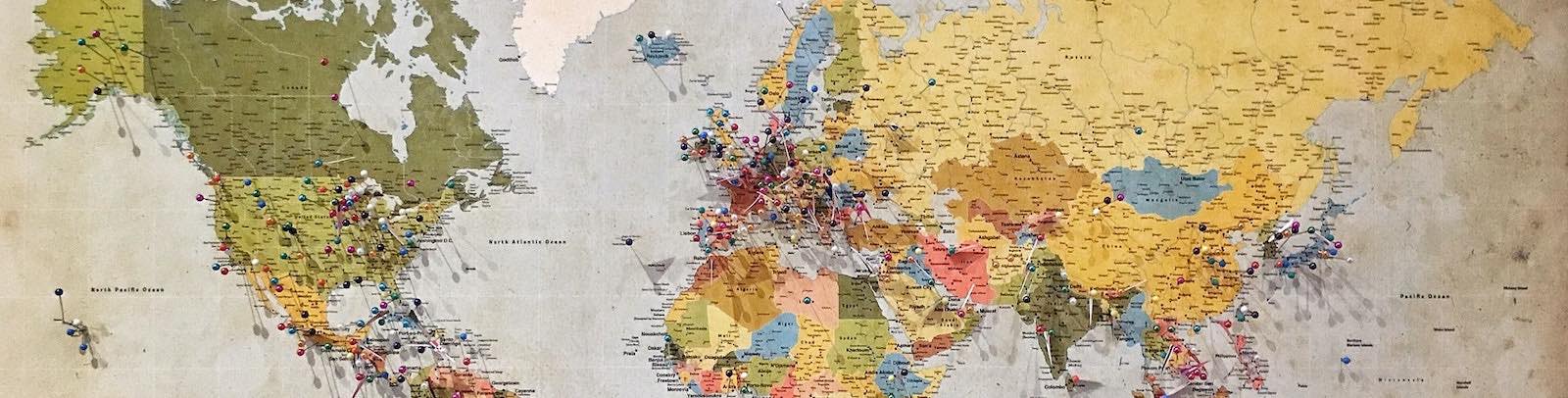

Wealth no longer sits still. It moves across borders and adapts to new conditions. A bank account in one country, an investment in another, a company registered somewhere else. This is no longer unusual. It is how modern finance works.
Offshore strategies sit at the center of this shift. They are not mysterious tools hidden behind closed doors. They are practical structures used to manage money with more precision. The real advantage comes from placement. Where money is held, how it is taxed, and how it is protected all shape its future. Used correctly, offshore planning creates options. It reduces pressure and builds a layer of stability that a single system cannot provide.
Understanding offshore strategies
Offshore planning is based on a simple idea. Different places offer different advantages. Instead of keeping everything in one country, financial elements are distributed across several. This may involve accounts, companies, investments, or legal entities.
Each part serves a purpose. One location may offer favorable tax treatment. Another may provide legal strength. A third may offer access to stable financial institutions. The focus is not movement for the sake of movement. It is placement with intent. Transparency defines modern offshore strategies. Financial systems now share information across borders. Structures must be clear and properly maintained. The edge comes from design, not secrecy.
Reducing taxes with strategy, not risk
Taxes shape how wealth grows. Small differences in tax treatment can lead to large differences over time. Some jurisdictions do not tax income earned abroad. Others apply low corporate rates. Some do not tax capital gains at all. By aligning income streams with these systems, the total tax burden can be reduced.
This requires coordination. Income must be connected to the right structure in the right place. A business may operate in one country and be registered in another. Investments may be held where profits are treated more efficiently. Legal alignment remains the foundation. Structures must meet requirements in all relevant jurisdictions. Clean planning supports long-term stability. Poor structuring creates exposure.
Diversifying wealth beyond one system
Concentration creates vulnerability. When all assets depend on one country, one currency, or one system, a single change can affect everything. Diversification spreads that exposure. Funds can be held in multiple currencies. Investments can be placed across different markets. Banking relationships can be built in stable regions. Each layer reduces dependence on a single point.
Diversification is not only about protection. It expands reach. Opportunities appear in different regions at different times. A structure that crosses borders allows faster movement and better positioning. Even a simple word like emoji reflects how modern systems operate. It moves across languages and countries instantly, just like capital in today’s financial networks.
Protecting assets in an uncertain world
Risk does not always announce itself early. Legal disputes or political changes can appear without warning. Offshore structures allow protection to be built before pressure appears. Certain jurisdictions provide legal tools such as trusts and foundations.
These separate control from ownership, creating distance between assets and potential claims. This separation makes it more difficult for external parties to reach those assets. It adds a layer of defense that a local structure may not provide. Geographical distance matters as well. Holding assets across borders reduces exposure to local disruptions. Timing defines effectiveness. Protection works best when it is in place before any issues begin.
Choosing the right location matters
Location shapes outcome. Each jurisdiction offers a different combination of rules, stability, and reputation. Key elements guide the choice:
- Tax treatment and reporting rules
- Political and economic stability
- Strength of legal protection
- Reliability of financial institutions
- International perception and compliance level
Well-known jurisdictions often provide consistency and trust. Less established locations may promise advantages but carry uncertainty. A structure gains strength from its environment. The wrong location can weaken even the best plan.
Breaking common myths
Offshore strategies are often misunderstood. Old narratives still influence how they are seen. One common belief is that offshore structures are illegal. In reality, they are widely used within legal frameworks when properly reported. Another belief is that they are only for large fortunes.
Many solutions are accessible with the right guidance. There is still an idea that offshore accounts are hidden. Current systems exchange financial information between countries. Transparency is now standard. Clear facts replace outdated assumptions and allow more informed decisions.
Risks that should not be ignored
Offshore planning requires ongoing attention. Regulations shift, currencies move, and global conditions change. Compliance remains central. Incorrect reporting can lead to penalties and restrictions. Accurate documentation is required at all times.
Managing structures across jurisdictions introduces complexity. Coordination between legal and financial systems is necessary. Professional guidance helps maintain alignment. Regular review keeps the structure relevant. A strategy that adapts remains effective.
Conclusion
Offshore strategies reshape how wealth is structured, protected, and grown. They allow assets to be placed with purpose, reducing tax pressure, spreading exposure, and strengthening protection. The value lies in flexibility. Wealth gains the ability to move and respond to changing conditions.
A well-structured approach creates stability without limiting growth. In a system where borders matter less than ever, thoughtful structuring creates a clear advantage. Offshore planning, built on compliance and intention, offers a path toward stronger and more resilient financial positioning.
How Offshore Protection Can Help
____
Offshore Protection is a boutique consultancy specializing in offshore solutions creating bespoke global strategies using offshore companies, trusts, and second citizenships so you can internatioanlize and diversify your business and assets.
We help you every step of the way, from start to finish with a global team of dedicated consultants. Contact us to see how we can help you.